


Skip to content
The rice terraces at Tegalalang, Ubud

Knowledge · Guides

Dining Table Guides

To maintain your Bali dining table, regularly clean it with a soft cloth, avoid direct sunlight, and periodically apply a wood-specific oil or wax to preserve its natural beauty and durability.

Walking a rice terrace path in Bali

Materials

Understanding the Materials: Teak and Suar Wood

For those sourcing Bali dining tables, understanding maintenance is crucial to ensure these handcrafted, solid-wood pieces remain stunning and functional for years. Here’s a comprehensive guide on how to care for these beautiful tables, made from premium Indonesian hardwoods like teak and suar, and exported globally from workshops in Java and Bali.

Bali dining tables are predominantly crafted from two main types of wood: teak and suar. Teak (Tectona grandis) is renowned for its robustness and resistance to weather elements, making it ideal for both indoor and outdoor tables. Its natural oils prevent rot, ensuring longevity. Suar wood, also known as monkeypod or rain tree, is favoured for its striking grain patterns and ability to produce large, seamless slabs. This makes suar perfect for live-edge designs, which showcase the wood’s natural contours. Both types of wood are sustainably sourced, adhering to Indonesia’s SVLK (Timber Legality Assurance System), ensuring legal and environmentally friendly production. Understanding these materials is essential for proper maintenance, as each requires specific care techniques to preserve its unique characteristics. For more on these woods, visit our Bali Suar Dining Tables page.

Care

Daily and Weekly Cleaning Practices

Regular cleaning is the first step in maintaining your Bali dining table. Use a soft, lint-free cloth to dust the surface weekly, preventing the buildup of dirt and grime. For deeper cleaning, a slightly damp cloth with mild soap is effective. Avoid harsh chemicals and abrasive cleaners, which can damage the wood’s finish. After cleaning, ensure the table is dried thoroughly to prevent moisture absorption, which can lead to warping. Additionally, placing coasters and placemats can prevent scratches and reduce the risk of stains from spills. This routine maintenance not only keeps your table looking pristine but also helps in prolonging its life, ensuring it remains a centrepiece in your dining area. For more maintenance tips, check our Bali Live Edge Dining Tables guide.
Long-term Care: Oiling and Waxing

For long-term preservation, periodic oiling or waxing is recommended. Teak oil or a high-quality wood wax can rejuvenate the wood, enhancing its natural grain and providing a protective layer against moisture and UV rays. Apply oil or wax every 6 to 12 months, depending on the table’s usage and exposure to elements. Before application, clean the surface thoroughly and allow it to dry. Use a soft cloth to apply the oil or wax evenly, following the wood grain. Let it absorb for a few hours before wiping off any excess. This process not only maintains the table’s appearance but also nourishes the wood, preventing cracks and fading. Always test any product on a small, inconspicuous area before full application to ensure compatibility with your table’s finish.

Protection Against Environmental Factors

Direct sunlight and fluctuating temperatures can adversely affect your Bali dining table. Prolonged exposure to sunlight can cause fading, while extreme temperatures can lead to cracking or warping. Position your table away from direct sunlight and heat sources like radiators. If placed outdoors, consider using a protective cover when the table is not in use. Teak tables, known for their outdoor durability, still benefit from this precaution to maintain their colour and integrity. Suar wood tables, while sturdy, are best kept indoors or in sheltered outdoor areas. By considering these environmental factors, you can effectively extend the lifespan of your dining table and preserve its aesthetic charm.

All guides

Design Trends

Exploring Bali Dining Collections

Bali dining collection offers a curated selection of handmade dining tables crafted from solid Indonesian hardwoods, primarily teak and suar. These tables, produced in…

Read the guide
Care & Maintenance

Dining Table Care Tips

“To clean and maintain your Bali dining table, use a soft cloth, mild soap, and water to remove dust and spills. Regularly apply a…

Read the guide
Sustainability

The Beauty of Natural Finishes

Bali natural finish tables showcase the inherent beauty of solid Indonesian hardwoods, primarily teak and suar. These handcrafted pieces highlight the unique grain patterns…

Read the guide
Customization

Dining Tables for Small Spaces

The Bali compact dining table, crafted from solid Indonesian hardwoods like teak and suar, provides a stylish and functional solution for small spaces. These…

Read the guide
Design Trends

The Appeal of Epoxy River Tables

The Bali epoxy river table, crafted from solid Indonesian hardwoods like teak and suar, adds a unique aesthetic to any dining space. These handmade…

Read the guide
Customization

Customizing Your Dining Table

Customizing a Bali dining table means tailoring elements like size, wood type, and finish to match your style and functional needs. From teak to…

Read the guide
Sustainability

Eco-Friendly Dining Tables

Bali eco-friendly tables are handcrafted from solid Indonesian hardwoods like teak and suar, sourced sustainably to meet international timber regulations. These tables are designed…

Read the guide
Design Trends

Exploring Dining Table Leg Styles

Bali dining tables offer a variety of leg styles crafted from solid Indonesian hardwoods like teak and suar. Discover customizable options to complement any…

Read the guide
Design Trends

Designing Your Dining Space

A Bali dining room table, crafted from solid Indonesian hardwoods like teak and suar, becomes a centrepiece of elegance and durability. Handmade by skilled…

Read the guide
Sustainability

Understanding Wood Certifications

“Bali certified wood table” refers to dining tables crafted from legally sourced, sustainable Indonesian hardwoods, ensuring compliance with international timber regulations. These tables embody…

Read the guide
Design Trends

The Versatility of Wooden Dining Tables

Bali wood dining tables, handcrafted from solid Indonesian hardwoods like teak and suar, are renowned for their unique grain patterns and durability. Exported worldwide,…

Read the guide
Sustainability

Outdoor Dining Tables for Every Space

The ideal Bali outdoor teak table combines durability and aesthetic charm, handcrafted from solid Indonesian teak and suar woods. These tables are designed to…

Read the guide

Handling, refinishing & export

Handling and Moving Your Table

When moving or rearranging your Bali dining table, it’s crucial to handle it carefully to avoid damage. Always lift the table with assistance rather than dragging it, which can strain joints and scratch floors. If disassembly is required, follow the manufacturer’s instructions to prevent damage. For tables with extension mechanisms or removable leaves, ensure all components are securely fastened before moving. Regularly check and tighten any loose screws or bolts to maintain stability. Proper handling not only prevents physical damage but also ensures the table remains functional for years, supporting its handcrafted quality and design integrity. For further assistance, reach out to our customer support via the Contact page.

Customising and Refinishing Options

One of the advantages of owning a Bali dining table is the potential for customisation and refinishing. Many exporters offer services to adapt your table’s finish, dimensions, and design elements to suit changing preferences or decor styles. Refinishing can breathe new life into older tables, allowing them to complement evolving interior aesthetics. When considering customisation, consult with your supplier to ensure compatibility with the table’s original materials and craftsmanship. This flexibility not only enhances the table’s value but also ensures it continues to meet your functional and aesthetic needs over time. For tailored solutions, explore our home offerings.

Global Export and Shipping Processes

Exporting Bali dining tables involves a well-coordinated process to ensure they arrive safely at their international destinations. Exporters work closely with logistics professionals to handle the intricacies of shipping, including packaging, customs clearance, and delivery. Tables are carefully packaged to protect them from damage during transit, often using environmentally friendly materials. Understanding the shipping process is crucial for buyers to anticipate delivery timelines and any associated costs. Many exporters offer tracking services, allowing customers to monitor their shipment in real-time. This attention to detail in the export process reflects the commitment to customer satisfaction and the global demand for these exquisite dining tables.

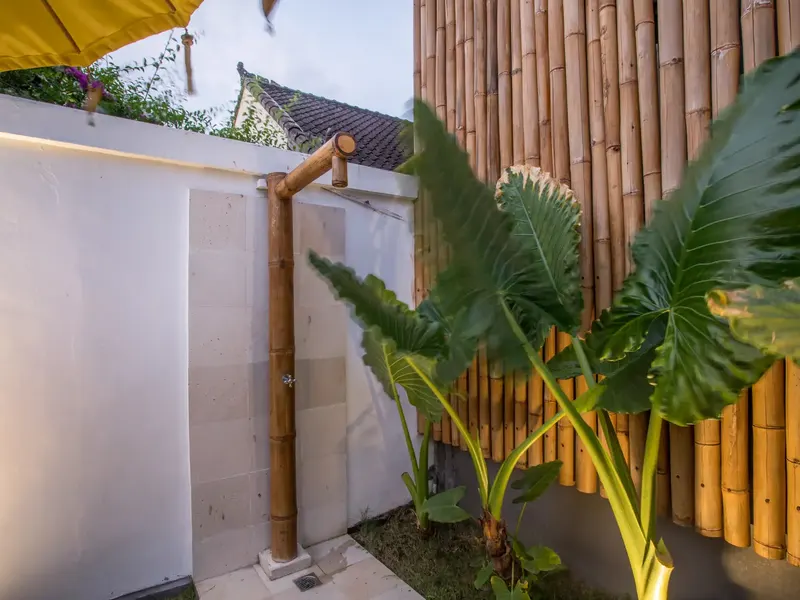
Bamboo and timber screen in Bali

Craftsmanship

Artisan Craftsmanship and Design Features

The allure of Bali dining tables extends beyond their material quality to the exceptional craftsmanship that defines each piece. Artisans in Bali and Java bring generations of woodworking expertise to the creation of these tables. Each table is meticulously designed, often featuring intricate carvings or unique live-edge finishes that highlight the natural beauty of the wood. The craftsmanship ensures that no two tables are alike, offering a unique addition to your home. The dedication to artisanal techniques not only contributes to the table's aesthetic appeal but also enhances its structural integrity, ensuring it withstands the test of time while remaining a focal point in your dining space.

Legality

Legal and Sustainable Sourcing Considerations

Ensuring your Bali dining table is sourced legally and sustainably is vital. Indonesian exporters adhere to strict regulations, including the SVLK system, guaranteeing the wood’s legality and sustainability. For international buyers, this compliance is crucial, especially when importing into regions with stringent timber regulations, such as the EU and the US. When purchasing, request documentation verifying the wood’s legal sourcing and traceability. By choosing tables that comply with these standards, you not only support sustainable forestry practices but also protect your investment from potential legal complications. For more on Indonesia’s timber regulations, visit the official Indonesian government site.

Get in touch

Engage with Bali Dining Table Export

Investing in a Bali dining table is more than a purchase; it’s an acquisition of artisanal craftsmanship and sustainable elegance. Our team at Bali Dining Table Export is here to assist you in maintaining and customising your table to fit your unique needs. For inquiries or to explore our extensive range of Bali-style tables, including custom designs and configurations, visit our Contact page. Let us help you preserve the beauty and functionality of your dining table for generations to come.